Trump Claims War with Iran Will End ‘Very Soon’ but Provides No Details
U.S. President Donald Trump declares the war with Iran will end "very soon" and predicts plunging oil prices, leaving international diplomats and markets searching for concrete details.
 Rajeev

Trump Claims War Will End ‘Very Soon’, Gives No Details
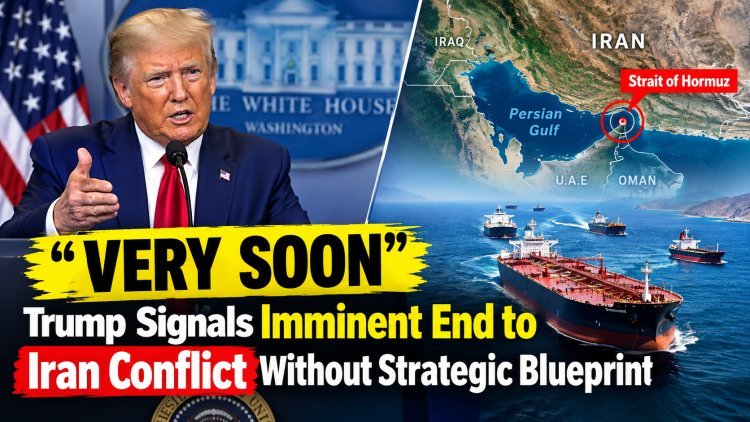
WASHINGTON — U.S. President Donald Trump has asserted that the military conflict with Iran will come to a conclusion “very soon,” offering an optimistic public outlook while providing no strategic blueprint, operational timeline, or diplomatic terms to substantiate the claim.
Speaking in Washington during an address on government technology and artificial intelligence, Trump reiterated his administration’s core security stance, asserting that Tehran would be blocked from acquiring atomic capabilities.
"Iran will never have a nuclear weapon," Trump stated.
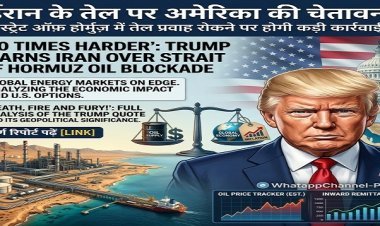
"They are doing very badly. It will end very soon. That’ll be over with very soon."
The President added that energy markets would rapidly normalize once a resolution is in place, predicting that "oil prices are going to be tumbling down".
Lofty Declarations, Scant Strategy
Despite the definitive tone from the podium, administration officials have not offered specific parameters detailing how combat operations will wind down or whether a formal diplomatic mechanism is actively in progress.
The statements arrive amid an ongoing dispute between Washington and Tehran. Following earlier attempts by regional intermediaries to establish a phased de-escalation framework, public progress remains halted. While backchannel exchanges involving Gulf mediators have explored maritime security provisions around the Strait of Hormuz, Trump previously dismissed compromise packages, insisting the U.S. holds the upper hand due to sustained economic pressure.
Military analysts and foreign policy observers noted that the President’s remarks follow a familiar rhetorical pattern—declaring complex international standoffs on the brink of resolution without outlining the concrete compromises required from either side.
Markets and Maritime Corridors in the Balance
The lack of clarity leaves regional actors and global energy markets navigating continued uncertainty.
-
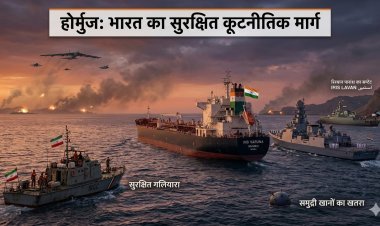
Energy Flows: Prior to hostilties, roughly 25% of global oil transit and 20% of liquefied natural gas passed through the Strait of Hormuz.
Tanker volumes have recently climbed back toward 13.2 million barrels per day despite sporadic attacks, but shipping operators continue to face elevated maritime insurance premiums. -
Regional Reactions: Iranian political figures have dismissed Washington’s characterizations of battlefield weakness, signaling that any durable settlement must include an easing of trade blockades and sanctions.
-
Domestic Pressures: With U.S. midterm elections approaching, domestic political scrutiny surrounding the duration, cost, and economic ripple effects of prolonged foreign engagements continues to intensify.
Until the White House presents an actionable policy framework or mediator teams confirm formal negotiations, Trump’s declaration of a swift conclusion remains an unverified promise on the international stage.