Tehran Awaits Formal U.S. Response After Trump Publicly Dismisses Strait of Hormuz Peace Framework
Iran awaits a formal diplomatic reply through Qatari mediators after President Donald Trump publicly dismissed Tehran’s seven-day proposal to reopen the Strait of Hormuz.
 Rajeev
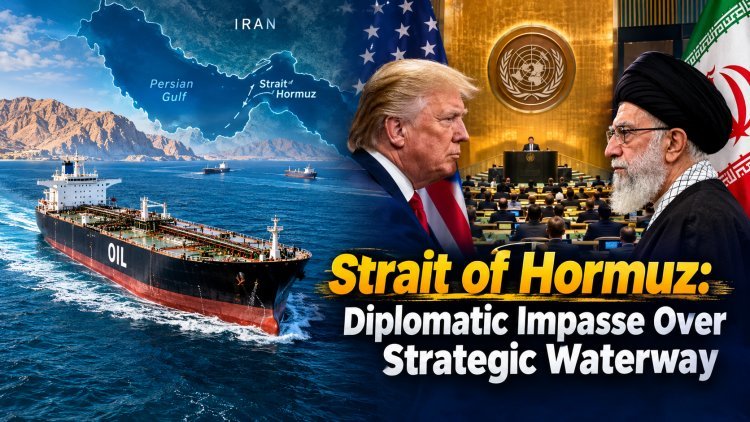

Tehran Awaits Official Response as Trump Rejects Hormuz Plan
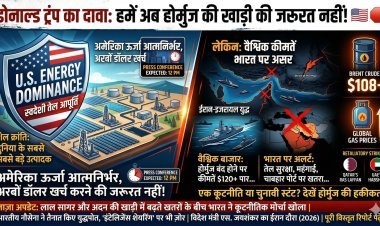
NEW YORK / TEHRAN — Iranian officials maintain they are awaiting a formal diplomatic response from Washington regarding a proposed seven-day roadmap to de-escalate regional hostilities and reopen the vital Strait of Hormuz, even as U.S. President Donald Trump publicly dismissed the initiative over the weekend.
The proposal, submitted via Qatari intermediaries on the sidelines of the United Nations General Assembly, represents Tehran’s most prominent attempt to date to ease the maritime chokehold that has upended global energy routes for seven months.
The Seven-Day Roadmap
The diplomatic proposal was detailed in New York by Iranian Foreign Minister Abbas Araghchi.
In exchange, Tehran’s framework demands reciprocal concessions from the United States:
-
An end to the naval blockade enforced outside key Iranian trade terminals.
-
The lifting of secondary waivers and sanctions targeting Iranian crude exports.
-
The unfreezing of roughly $12 billion in immobilized foreign currency reserves held overseas.
"If there is seriousness on the U.S. side to come to a deal and reopen the Strait of Hormuz, everything is now prepared," Araghchi told reporters at the UN, emphasizing that Tehran would not accept unilateral economic coercion or abandon baseline sovereign positions.
Trump’s Public Rejection vs. Diplomatic Channels
Speaking to reporters prior to an appearance in Tennessee, President Trump brushed aside the initiative, framing Tehran's offer as a sign of financial and strategic exhaustion under maximum economic pressure.
"I reject their proposal. I rejected their deal," Trump said. "They want to make a deal to open the Hormuz Strait immediately because they’re losing so badly... because they have no money coming in."
Despite the definitive tone of the statement, Iranian diplomats stated they have yet to receive an official written rejection through the Qatari channel that facilitated the draft. U.S. officials previously described backchannel exchanges via Doha as "constructive" in exploratory phases, though reports indicate the administration remains skeptical that Iran will accept Washington’s core demands regarding its uranium enrichment limits.
Tehran has reiterated that sovereign nuclear rights—including domestic enrichment thresholds—remain outside the scope of maritime transit arrangements.
Global Energy Markets on Edge
The Strait of Hormuz serves as the arterial corridor for approximately one-fifth of the world’s petroleum consumption.
┌──────────────────────────────────────────────────────────────────────┐
│                    THE HORMUZ IMPASSE AT A GLANCE                    │
├───────────────────────────────────┬──────────────────────────────────┤
│ Tehran's Offer:                   │ Washington's Resistance:         │
│ • 7-day ceasefire countdown       │ • Public dismissal of terms      │
│ • Reopening of maritime shipping  │ • Insistence on nuclear limits   │
│ • De-escalation across fronts     │ • Continued port blockade        │
│                                   │                                  │
│ Tehran's Demands:                 │ Strategic Drivers:               │
│ • Relief from crude sanctions     │ • Global oil supply stability    │
│ • Release of ~$12B frozen funds   │ • U.S. midterm election timing   │
│ • Cessation of naval blockades    │ • Regional proxy dynamics        │
└───────────────────────────────────┴──────────────────────────────────┘
Regional neighbors, notably Saudi Arabia and Iraq, have escalated diplomatic engagement to prevent further spillover into civilian aviation routes and regional energy infrastructure. For now, with Washington’s formal communication still pending through Doha, the standoff over the world's most critical energy artery remains in an uneasy, high-stakes equilibrium.