Jawed Habib’s 5 Practical Tips to Prevent Severe Hair Fall and Breakage
Noticing a comb full of hair every morning? Discover 5 everyday hair-care adjustments recommended by stylist Jawed Habib to reduce breakage and boost scalp health.
 Rajeev
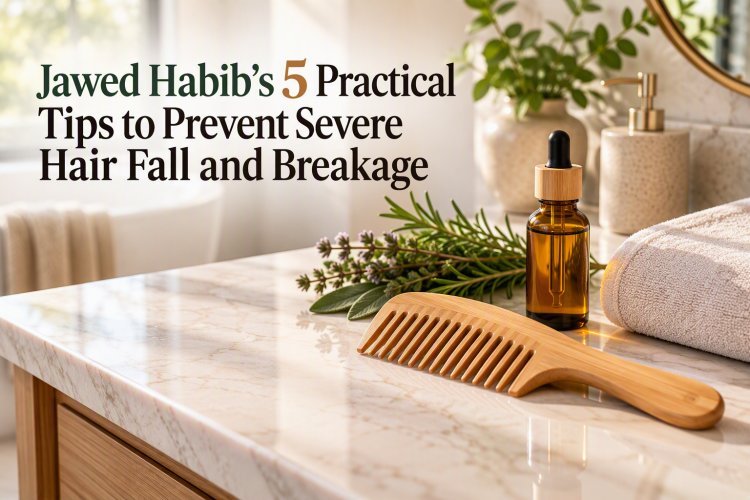

Comb Full of Hair? Hair Stylist Jawed Habib Shares 5 Everyday Fixes to Help Curb Hair Fall
Few morning moments are as quietly disheartening as running a comb through your hair and watching loose strands pile up on the vanity. For urban professionals balancing long commutes, seasonal shifts, and desk-bound stress, sudden excessive shedding has become a shared modern anxiety.
Celebrity hairstylist Jawed Habib recently weighed in on this widespread concern, offering practical, salon-tested advice for anyone noticing an alarming cluster of hair after every brushing session. Rather than reaching immediately for expensive treatments, Habib suggests reassessing basic, daily hair-care habits to help restore scalp health and minimize unnecessary breakage.
The Anatomy of the Morning Shed
Everyday hair loss is often compounded by mechanical damage—aggressive styling, improper washing, or brushing wet, fragile follicles. According to styling experts, a substantial portion of what people perceive as "hair fall from the roots" is actually mid-shaft hair breakage brought on by poor handling and environmental factors.
Habib stresses that healthy hair care begins with foundational hygiene and simple, consistent routines rather than high-end product overhauls.
5 Practical Adjustments to Help Curb Breakage and Hair Fall
-
Avoid Brushing Sopping-Wet Hair
Hair is at its most elastic and vulnerable when completely wet. Tugging through damp tangles stretches the hair shaft beyond its natural capacity, leading directly to snap-offs and comb buildup. Detangle with your fingers while conditioning, or use a wide-toothed wooden comb only once the hair is damp or dry.
-
Re-evaluate Scalp Hygiene and Cleansing Frequency
Environmental pollutants, sweat, and residue from styling products clog follicles, creating inflammation that weakens roots. Washing hair with a mild, sulfate-free cleanser two to three times weekly keeps the scalp clean and primed for natural growth cycles.
-
Pre-Wash Oiling for Strand Flexibility
Applying light, natural oils (such as coconut, almond, or mustard oil) 30 to 45 minutes before shampooing creates a protective barrier. This practice, deeply rooted in Indian hair tradition, helps prevent "hygral fatigue"—the repeated swelling and drying that weakens hair fibers.
-
Lower the Heat and Rethink Tight Hairstyles
Consistent blow-drying, curling, and pulling hair into rigid high ponytails or buns place continuous traction on the scalp. Opting for heat-free air-drying whenever possible and wearing loose, relaxed hairstyles significantly reduces tension-induced shedding.
-
Focus on Moisture Balance Over Heavy Chemical Masking
Dryness leads directly to brittle textures and split ends. Rather than layering heavy, silicone-based leave-in serums that weigh strands down, prioritize light hydration through natural rinsing techniques (such as cooled green tea or diluted onion/rice water rinses, if tolerated) to close the hair cuticle.
Expert Perspective: Habitual Care vs. Clinical Intervention
While Habib’s guidance centers on salon-grade cosmetic handling and preventative maintenance, dermatologists emphasize distinguishing between cosmetic breakage and medical hair loss (such as telogen effluvium or androgenetic alopecia).
Daily shedding of 50 to 100 strands is clinically considered normal. However, when shedding is accompanied by sudden patchy loss, persistent itching, or scalp scaling, lifestyle fixes alone are rarely sufficient. Internal factors such as ferritin (iron) levels, thyroid function, hormonal imbalances, and dietary protein intake play a foundational role in sustained hair health.
Why It Matters to Ordinary Readers
In an era dominated by rapid-fire social media beauty trends, consumers are frequently pressured to purchase multi-step hair serums, specialized gummy vitamins, and clinical-grade shampoos at the first sign of hair fall. Demystifying basic hair hygiene allows everyday consumers to save money, avoid unnecessary product buildup, and address the real mechanical triggers behind broken strands.
Practical Takeaways for Your Daily Routine
-
Check Your Comb: Swap sharp plastic bristles for seamless wooden or silicone wide-tooth combs.
-
Be Gentle with Towels: Stop vigorous towel-drying; switch to a soft microfiber towel or cotton T-shirt to blot moisture.
-
Monitor the Timeline: Adopt consistent, gentle hair-washing habits for 4 to 6 weeks. If shedding remains severe, schedule a visit with a board-certified dermatologist.
Background and Context
Hair care remains one of the fastest-growing personal-care segments in South Asia, with urban consumers reporting elevated rates of hair thinning attributed to hard tap water, elevated stress, and city pollution. Long-standing industry professionals like Jawed Habib have increasingly shifted their public messaging toward accessible, home-based hair-wellness regimens, countering an oversaturated beauty market driven by miracle-cure marketing.
Consistent, gentle care forms the bedrock of long-term hair resilience. Before overhauling your vanity cabinet or panicking over your morning comb, refining how you treat and wash your hair can make all the difference in keeping your strands where they belong.






























![States PCS: Bihar GK [बिहार सामान्य ज्ञान एवं सामान्य अध्ययन प्रश्न]](https://rajeevranjan.blog/uploads/images/2026/09/image_380x226_6a9e6f69b286c.jpg)