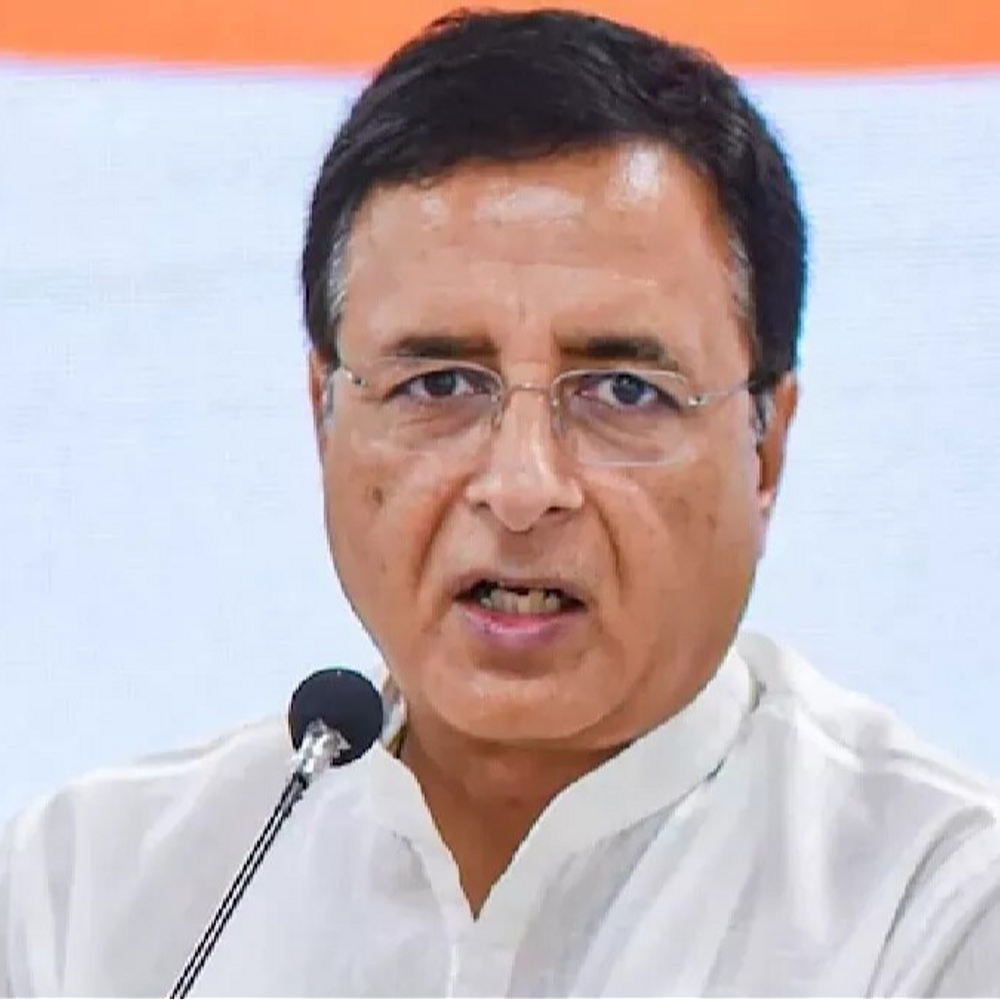
'I Offered Them Nothing': Trump Refutes Report Claiming U.S. Proposed Sanctions Relief to Tehran
U.S. President Donald Trump has forcefully denied reports that Washington offered sanctions relief and access to frozen funds to Iran in exchange for nuclear concessions.
 Rajeev
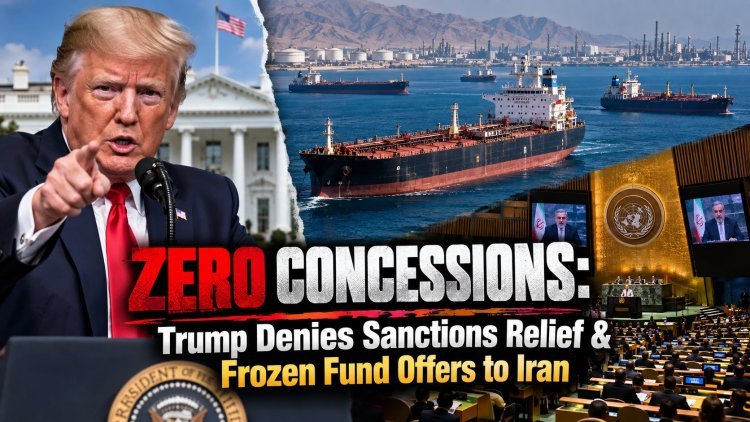

'I Offered Them Nothing': Trump Denies Proposing Sanctions Relief to Tehran
WASHINGTON — U.S. President Donald Trump has forcefully rejected media reports suggesting that his administration offered Iran economic sanctions relief and the release of billions of dollars in frozen foreign reserves in exchange for progress on its nuclear program.
The pushback follows a report by news outlet Axios—and mirrored by Israeli broadcasters—citing unnamed officials who claimed Washington signaled a willingness to soften economic penalties if Tehran delivered measurable steps toward curtailing its atomic activities.
Trump dismissed the account on his Truth Social platform:
"Axios just released a story that 'Trump' offered Sanctions Relief and Frozen Funds to Iran. This is untrue. I offered them NOTHING!" Trump wrote, calling the reporting fabricated and demanding an immediate retraction.
Mixed Signals in Backchannel Diplomacy
The public denial comes at a sensitive juncture as regional mediators in Doha and New York work to untangle seven months of heightened regional conflict and a maritime standstill across the Persian Gulf.
During the UN General Assembly in New York, Iranian Foreign Minister Abbas Araghchi submitted an amended seven-day framework.
-
A phased cessation of hostilities across regional theaters, including Lebanon.
-
Full reopening of the critical Strait of Hormuz to global commercial shipping.
-
Mutual reciprocal measures, specifically an end to the U.S. naval blockade of Iranian commercial ports, waivers on Iranian oil sales, and access to roughly $12 billion in immobilized overseas assets.
While Trump publicly rejected that seven-day draft over the weekend—arguing that economic pressure and naval blockades have already restricted Tehran's cash flow—both sides have confirmed that indirect exchanges facilitated by Qatari envoys are continuing.
The Diplomatic Sticking Points
Washington continues to maintain that no lasting framework can proceed without explicit, verified restrictions on Iran’s uranium enrichment levels and ballistic missile footprint. Tehran, conversely, insists that sovereign defense programs remain non-negotiable and that economic normalization must precede any enduring maritime pact.
┌────────────────────────────────────────────────────────────────────────┐
│                   THE STANDOFF: CLAIMS VS. REALITY                     │
├───────────────────────────────────┬────────────────────────────────────┤
│ Media Report (Axios):             │ Official White House Response:     │
│ • Proposed phased sanctions relief│ • "Offered them NOTHING"           │
│ • Unfreezing of overseas accounts │ • Story labeled inaccurate/hoax    │
│ • Contingent on nuclear limits    │ • Stance of "maximum pressure"     │
├───────────────────────────────────┼────────────────────────────────────┤
│ Tehran's Position:                │ Market Impact:                     │
│ • Seeks written U.S. position     │ • Crude price swings continue      │
│ • Demands naval blockade lift     │ • War-risk shipping premiums high  │
│ • Insists on Hormuz reciprocation │ • Strategic chokehold unresolved   │
└───────────────────────────────────┴────────────────────────────────────┘
Araghchi emphasized that Tehran expects an official diplomatic transmission rather than social media commentary before finalizing its next steps. With the Strait of Hormuz responsible for roughly 20% of global oil transit, international markets remain fixed on whether the public friction signals a breakdown in diplomacy or a hardline negotiating tactic prior to formal counter-proposals.























![States PCS: Bihar GK [बिहार सामान्य ज्ञान एवं सामान्य अध्ययन प्रश्न]](https://rajeevranjan.blog/uploads/images/2026/09/image_380x226_6a9e6f69b286c.jpg)