Tehran Denounces ‘Cowardly’ US-Israel Strikes as Civilian Casualties Climb: Middle East on Edge
Live updates on the Middle East crisis: Tehran slams recent US-Israel strikes as "cowardly" after reports of civilian casualties and infrastructure damage. Explore geopolitical fallout, Strait of Hormuz tensions, and global reactions.
 Rajeev
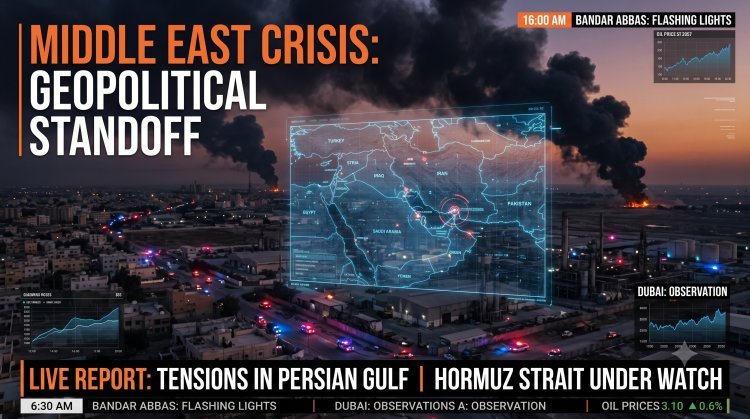

Escalation in West Asia: Tehran Slams Targeted Strikes Amid Growing Toll
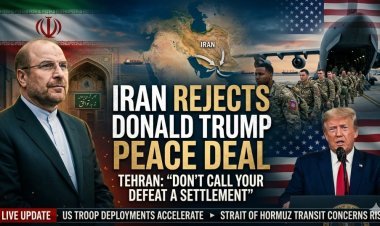
The ongoing military confrontation across the Middle East entered another critical phase today as Iranian leadership strongly condemned the latest joint military strikes carried out by Israeli and US forces. Labeling the operations as "cowardly and unlawful," officials in Tehran reported that multiple strikes hit peripheral infrastructure and residential sectors, leading to tragic civilian fatalities and widespread structural destruction.
The escalation comes against a backdrop of fraught diplomatic communications and intense military maneuvers that have raised alarms worldwide regarding global supply chains and regional stability.
Key Developments at a Glance
-
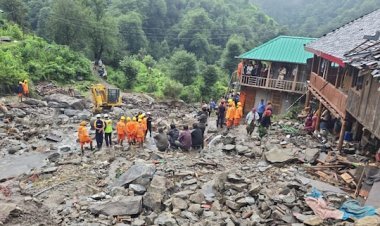
Civilian Casualties Reported: Local emergency services and humanitarian observers report rising civilian casualties after overnight strikes landed near populated urban outskirts and dual-use logistical hubs.
-
Tehran’s Stance: Iranian Foreign Ministry spokespersons and commanders of the Islamic Revolutionary Guard Corps (IRGC) decried the offensive as a flagrant breach of international sovereignty, warning that retaliation would be swift and decisive.
-
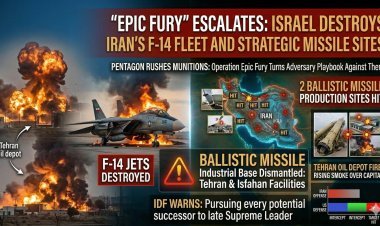
Washington and Tel Aviv Positioning: Coalition defense officials stated that the operations were precision-focused, aimed at neutralizing long-range missile batteries, radar installations, and drone production hubs to thwart imminent regional threats.
-
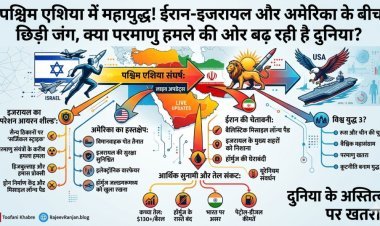
Strait of Hormuz Disruptions: Shipping corridors through the Persian Gulf remain on high alert, with commercial vessels taking evasive detours, rattling international crude oil benchmarks and maritime insurers.
Rising Civilian Toll Sparks Global Outcry
Humanitarian watchdogs and regional observers have raised red flags over the human toll of the widening theater of war. Eyewitness reports and emergency dispatches describe residential damage in several semi-urban districts following secondary explosions.
Diplomats at the United Nations have called for an immediate cessation of hostilities, highlighting that uncontained air campaigns in densely populated areas pose severe legal and moral challenges under international humanitarian law. Meanwhile, hospitals in major provincial hubs are reportedly handling an influx of wounded non-combatants, further straining medical infrastructure already burdened by supply bottlenecks.
The Maritime Chokepoint: Strait of Hormuz Under Pressure
Beyond the immediate theater of kinetic warfare, the confrontation is exerting intense pressure on international economic channels:
-
Energy Market Volatility: With commercial traffic through the Strait of Hormuz moving under high risk, shipping freight rates and marine insurance premiums have spiked.
-
Global Economic Fallout: Importers across Asia and Europe are actively looking to diversify fuel sources, bracing for potential long-term interruptions if navigation corridors remain volatile.
Diplomatic Impasse and What Lies Ahead
Efforts to engineer an enduring ceasefire remain gridlocked. While international intermediaries continue shuttle diplomacy across neutral capitals, neither side has demonstrated a willingness to step back without concrete preconditions.
With Iran pledging a firm response to the latest round of strikes and coalition forces maintaining heightened combat readiness across regional bases, the conflict stands at an unpredictable tipping point. Whether backchannel diplomacy can avert a wider regional spillover will depend heavily on actions taken in the coming 48 hours.