


Why a War with Iran is No Cakewalk: 5 Strategic Realities
"Why is a potential war with Iran not a simple military operation? Discover five strategic realities, from geographic advantages to asymmetric warfare, that debunk the 'cakewalk' theory."
 Rajeev


For years, the prospect of an armed conflict between the United States and Iran has been discussed in policy circles and on cable news. Occasionally, politicians or analysts have suggested that such a confrontation would be a "cakewalk"—a swift, decisive victory achieved with minimal effort or risk. History and military analysis, however, suggest that this assessment is fundamentally flawed.
An armed conflict with the Islamic Republic of Iran would not resemble the brief interventions of the past. Instead, it would likely be a protracted, multi-dimensional, and highly dangerous ordeal. Here are five strategic realities that debunk the "cakewalk" myth.
1. Iran’s Geographic Advantage
Iran is not a small, vulnerable country. It is the 17th largest nation in the world by landmass, characterized by incredibly rugged, mountainous terrain that makes traditional armored invasions nearly impossible. The Zagros and Alborz mountain ranges provide natural fortresses that could house air defense systems, command centers, and missile batteries, making any potential ground operation a logistical and tactical nightmare for an invading force.
2. A Sophisticated Asymmetric Warfare Strategy
Iran does not need to match the U.S. military in conventional firepower to be devastatingly effective. Over decades, Tehran has perfected a doctrine of "asymmetric warfare." This relies on a massive network of proxies throughout the region—from Lebanon and Syria to Iraq and Yemen—capable of conducting coordinated strikes. Simultaneously, Iran’s own military focuses on swarming tactics, utilizing fast-attack boats, drones, and cruise missiles to overwhelm conventional naval and air assets.
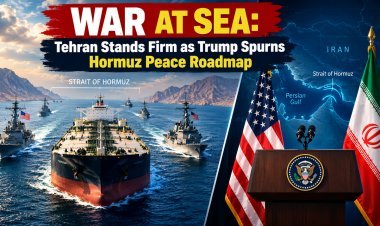
3. The Chokepoint of the World: The Strait of Hormuz
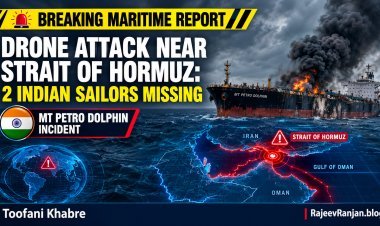
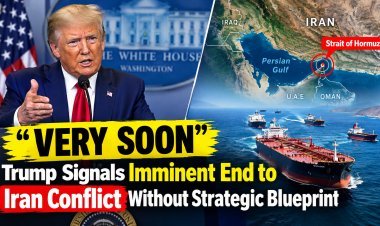
Iran’s ultimate strategic lever is the Strait of Hormuz. Through this narrow waterway passes nearly 30% of the world's seaborne oil. Even a temporary closure or significant threat to this passage would trigger a global economic catastrophe. Iran has the capability to mine the strait, deploy anti-ship cruise missiles from its coast, and utilize fast-attack craft to create a "denial zone" that would keep global shipping markets in a state of paralysis, causing oil prices to skyrocket.
4. Deep-Rooted Domestic Nationalism
The "cakewalk" theory often underestimates the rallying effect of foreign intervention on the Iranian public. Regardless of domestic grievances with the current government, history shows that Iranians are intensely nationalistic when faced with external threats. A foreign invasion would likely consolidate support behind the regime, turning the conflict into a long, insurgency-driven struggle rather than a quick overthrow, similar to the challenges seen in other regional conflicts.
5. Cyber-Warfare and Regional Reach
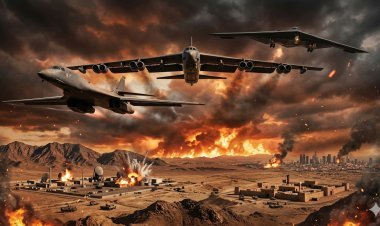
Modern warfare is no longer confined to the battlefield. Iran has invested heavily in cyber-warfare capabilities, capable of attacking critical infrastructure—power grids, financial networks, and communication systems—both in the region and abroad. Furthermore, its regional reach means that U.S. bases in the Gulf, as well as allied nations like Israel and Saudi Arabia, would be immediate targets. A war would not be fought solely on Iranian soil; it would be a regional conflagration with global consequences.
The Myth of the "Easy" War
The complexity of Iranian military strategy, combined with its geographic, economic, and regional advantages, makes the notion of a swift, effortless war an dangerous illusion. A conflict would demand immense resources, carry the risk of unlimited escalation, and promise severe, long-term global repercussions. Policymakers who ignore these realities risk embarking on a strategic disaster.