Tehran Refuses to Back Down After Trump Rejects Hormuz Peace Plan
Iran declares its terms are non-negotiable and insists on diplomacy after Donald Trump dismisses a seven-day plan to reopen the Strait of Hormuz, maintaining a naval blockade.
 Rajeev
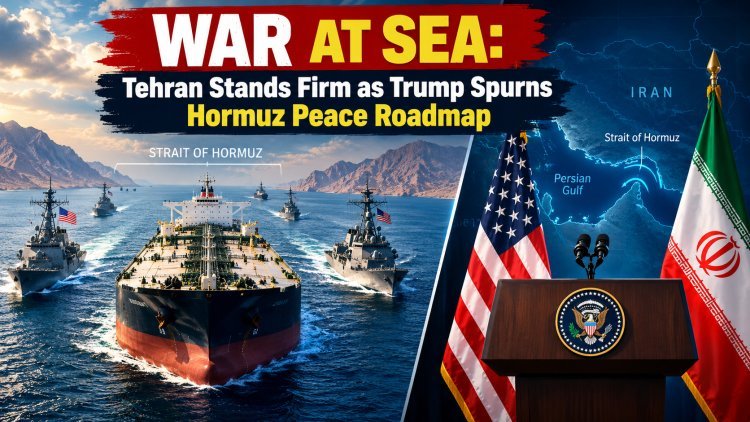

Tehran Vows Not to Back Down as Trump Rejects Hormuz Plan
WASHINGTON / TEHRAN — Iranian officials warned they will not surrender under economic or military pressure, insisting that the only path out of regional confrontation is negotiated diplomacy after U.S. President Donald Trump publicly dismissed a seven-day proposal to halt hostilities and reopen the Strait of Hormuz.
The diplomatic framework—delivered through Qatari intermediaries during the United Nations General Assembly in New York—proposed a phased, seven-day regional ceasefire across multiple theaters, including Lebanon, culminating in the reopening of commercial maritime corridors.
"Only a Negotiated Solution Can Break This Deadlock"
Speaking via official channels, Iranian Foreign Minister Abbas Araghchi declared that Tehran’s terms remain fixed and that Washington alone bears responsibility for prolonging the maritime paralysis.
"Our conditions are clear, and any move toward reopening the Strait of Hormuz is contingent on these conditions being met," Araghchi stated. "Only a negotiated solution can get them out of this deadlock. Iran does not accept coercion, threats, or intimidation, and Iran will not surrender its sovereign rights under pressure."
Despite Donald Trump’s verbal rejection, Araghchi noted that mediator channels in Doha have not delivered an official written dismissal from the U.S. administration, keeping diplomatic channels technically open.
┌────────────────────────────────────────────────────────────────────────┐
│                   THE PROPOSED 7-DAY HORMUZ ROADMAP                    │
├───────────────────────────────────┬────────────────────────────────────┤
│ Tehran's Commitments:             │ Tehran's Demands:                  │
│ • Immediate regional ceasefire    │ • Immediate lift of US blockade    │
│ • Full maritime route restored    │ • Sanctions waivers on crude oil   │
│ • Resumed nuclear talks (IAEA)    │ • Release of ~$12B in frozen funds │
├───────────────────────────────────┴────────────────────────────────────┤
│ Current Impasse:                                                       │
│ • Trump labels plan a sign of weakness; boasts of "steel blockade"    │
│ • Tehran refuses to alter preconditions before receiving formal notice │
└────────────────────────────────────────────────────────────────────────┘
Trump Claims "Total Control" Over Shipping Corridor
Speaking to reporters at the White House before traveling to Tennessee, President Trump described Tehran’s proposal as an act of economic desperation following months of naval attrition.
"I reject their proposal. I rejected their deal," Trump said.
Trump touted what he characterized as the "greatest blockade in military history," asserting that U.S. naval units had established a "wall of steel" across the Persian Gulf entrance while organizing military convoys for select commercial tankers.
Global Energy Markets and Regional Escalation
The confrontation—now entering its seventh month—has disrupted shipping routes that typically carry one-fifth of the world’s petroleum and liquefied natural gas.
Regional neighbors, including Saudi Arabia and Oman, have urged restraint, warning that prolonged blockades threaten freedom of navigation and risk wider spillover into secondary corridors like the Bab el-Mandeb.
With Tehran refusing to alter its prerequisites and Washington signaling potential military escalation, the standoff over the world’s most critical energy artery remains deadlocked