


Middle East Tension: How the Israel-Iran-US Crisis Could Affect Your Pocket
The rising tension between Israel, Iran, and the US is shaking global oil markets. Learn how this conflict could lead to an oil and export crisis in India.
 Rajeev


A major conflict is brewing in the Middle East, and its effects are being felt thousands of miles away in India. On February 28, 2026, reports of coordinated military actions by Israel and the US against Iran have sent shockwaves through the global economy.
For a common person in India, this isn't just a story about distant fighter jets and missiles. It is a story about the price of petrol at the local pump, the cost of vegetables in the market, and the safety of Indian goods being sent across the sea. When the Middle East catches a cold, the Indian economy starts to shiver.
Background: What Led to This?
The tension between Israel and Iran has been high for years. However, in early 2026, nuclear talks between the US and Iran failed to reach a deal.
What is Happening Now?
As of today, the situation is very tense. Here are the latest updates:
-
Oil Prices Jumping: Crude oil prices have already surged to over $73 per barrel, the highest in months.
Experts warn they could quickly hit $80 or even $100 if the fighting continues. -
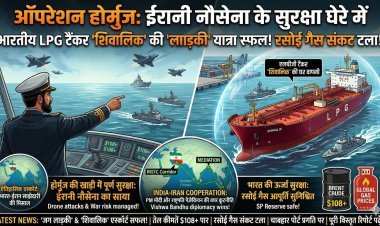
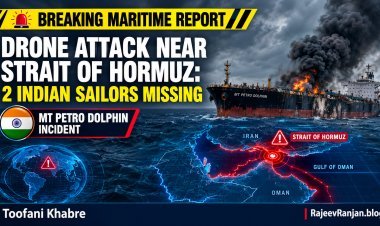
Shipping in Danger: Nearly 20% of the world's oil and a huge amount of India's gas pass through the Strait of Hormuz.
Iran has threatened to block this route. -
Stock Market Stress: In India, the Sensex and Nifty have seen sharp drops as investors worry about the "war premium"—the extra cost added to goods because of the risk of war.
Why It Matters: The Impact on India
India is in a tricky spot because it is friendly with all sides, but it also relies heavily on the region for two main things: Energy and Trade.
1. The Oil Import Bill India imports more than 85% of its crude oil.
2. The Export Crisis India doesn't just buy oil; it sells many things like clothes, rice, and car parts to the world. Because the sea routes are now "war zones," insurance companies are charging much more to protect ships. This makes Indian exports more expensive and less competitive in the global market.
3. Inflation (Price Rise) When fuel prices go up, the cost of transporting everything—from tomatoes to cement—also goes up. This leads to inflation, which means your monthly budget might not stretch as far as it used to.
Expert Opinion: Explained Simply
Economic experts are keeping a close watch on the Strait of Hormuz.
"India has done a good job of buying oil from different countries like Russia and the US lately," says one senior energy analyst. "However, about 40% of our oil still comes through that narrow Gulf channel.
If that door closes, even for a few days, it will be a major crisis for our factories and our fuel stations."
What Could Happen Next?
The next few days are critical. Markets are waiting to see if the US and Iran will find a way to stop the fighting (de-escalation) or if the war will spread to other nearby countries.
-
If the conflict stays small: Oil prices might stay around $75-$80.
-
If the Strait of Hormuz is blocked: We could see global oil prices double, potentially hitting $150 per barrel.
Key Points Summary
-
Military Action: Israel and the US launched strikes on Iran after nuclear talks failed.
-
Oil Price Spike: Crude oil has jumped to over $73/barrel and is heading toward $80.
-
India's Risk: 40% of India's oil imports are at risk if the Strait of Hormuz is closed.
-
Cost of Living: High oil prices could lead to more expensive petrol and groceries in India.
-
Trade Trouble: Higher insurance and shipping costs are hurting Indian exports.