


US-Israel vs Iran War Live: Trump Vows to Strike Iran "Back to the Stone Ages" as Tallest Bridge Collapses
Catch the latest live updates on the US-Israel vs Iran conflict. President Trump warns of "further destruction" after the collapse of Iran's B1 bridge, while PM Netanyahu maintains a hardline stance.
 Rajeev
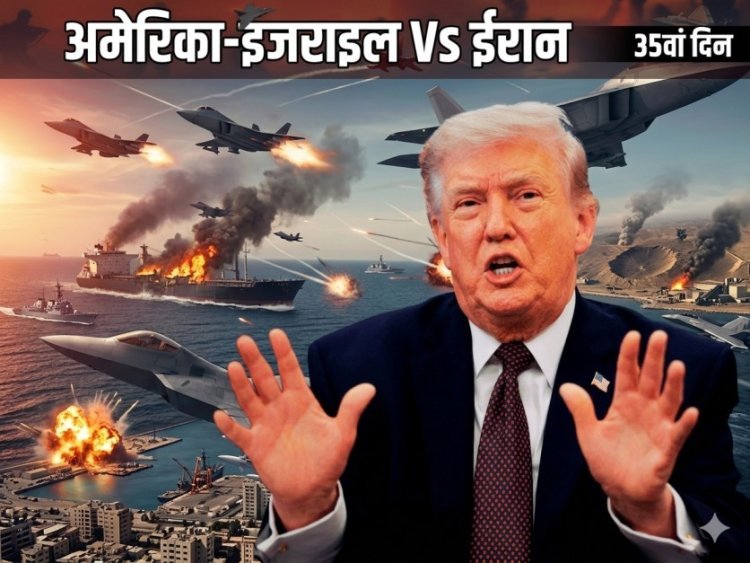

The Brink of Total War: US and Israel Escalate Operations Against Iran
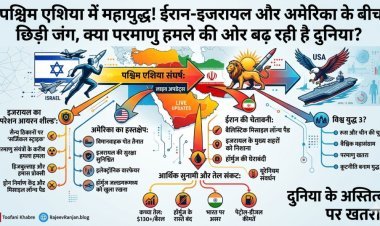
The Middle East is currently witnessing its most significant military escalation in decades. Following weeks of "Operation Roaring Lion"—a joint military effort by the United States and Israel—the conflict reached a fever pitch this Thursday, April 2, 2026.
With President Donald Trump issuing ultimatum-style warnings from Washington and Prime Minister Benjamin Netanyahu vowing to dismantle Tehran’s ballistic capabilities, the world is watching the Strait of Hormuz and the Iranian mainland with bated breath.
1. Major Strategic Strike: Iran's Tallest Bridge Destroyed
In a move that has sent shockwaves through the region, President Trump confirmed that U.S. and allied forces successfully targeted and destroyed the B1 bridge in Karaj—the tallest bridge in Iran.
"The biggest bridge in Iran comes tumbling down, never to be used again," Trump posted on social media. "Much more to follow! It is time for Iran to make a deal before it is too late."
The strike, located roughly 20 miles southwest of Tehran, reportedly killed eight people and wounded nearly 100 others, according to Iranian state media. This strike serves as a visceral warning of Trump’s threat to bomb Iran "back to the Stone Ages" if they do not comply with U.S. demands.
2. Netanyahu’s Hardline: No Let-up in "Operation Roaring Lion"
While Trump speaks of potential deals, Prime Minister Netanyahu remains focused on military objectives. The IDF has reported the elimination of several high-ranking commanders within Iran’s Ballistic Missile Unit in the Kermanshah area.
Israeli defense officials state that the goal is not just a ceasefire, but the "thorough degradation" of the Iranian regime's ability to threaten Israel. Netanyahu has emphasized that the U.S. and Israel are leveraging their military accomplishments to force a total shift in regional power.
3. The Strait of Hormuz and Global Oil Markets
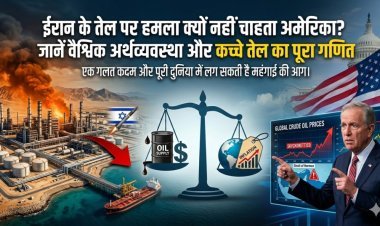
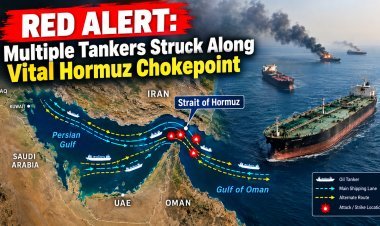
The economic fallout has been immediate. With Iran restricting transit through the Strait of Hormuz—the world’s most critical oil artery—global energy prices have skyrocketed.
-
Oil Prices: Crude has surged past $110 a barrel.
-
U.S. Gas Prices: Averages have jumped past $4 a gallon, a high not seen in years.
Trump has issued a 48-hour deadline for Iran to reopen the Strait, threatening to "obliterate" power plants if the blockade continues.
4. Iran’s Response: "Crushing" Retaliation Promised
Tehran has not remained silent. Iran’s military has vowed "crushing" attacks against U.S. assets and Israel. Missiles were launched toward Tel Aviv on Thursday, though Israeli air defenses intercepted the majority of the threats. Additionally, regional proxies—including Yemen’s Houthis—have intensified their attacks, launching ballistic missiles toward central Israel.
Diplomacy or Disaster?
While President Trump has suggested the war could be over in "two or three weeks," the path to a diplomatic resolution is narrow. Iran’s new leadership appears to be hardening its stance, seeking reparations and the closure of U.S. bases in the Gulf. As the Passover holiday continues, the "West Asia cauldron" remains at a boiling point.