


"We’ve Just Begun": US Strikes 2,000+ Targets in Iran as Operation Epic Fury Escalates
The US military confirms over 2,000 targets hit in Iran under Operation Epic Fury. Discover the latest on the largest firepower buildup in a generation and the strategic shift in the Middle East.
 Rajeev


Shock and Awe 2.0: US Unleashes Unprecedented Firepower on Iran
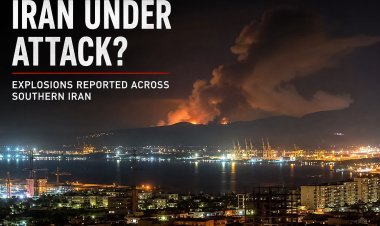
In a statement that has sent shockwaves across the globe, the United States Central Command (CENTCOM) announced that it has successfully struck nearly 2,000 targets within Iran in less than 100 hours. Labeled "Operation Epic Fury," the campaign is being described by top military officials as the largest firepower buildup in the Middle East in a generation—surpassing even the opening scale of the 2003 "Shock and Awe" campaign in Iraq.
"We have severely degraded Iran's air defenses and destroyed hundreds of ballistic missiles, launchers, and drones," stated Admiral Brad Cooper, commander of CENTCOM. "And to be clear: we’ve just begun."
1. 2,000 Targets and Counting: What is Being Hit?
The US-led coalition, working in tight coordination with Israeli forces (Operation Roaring Lion), has focused on systematically dismantling the Iranian regime's security and offensive infrastructure. Key targets include:
-
Command and Control: The headquarters of the Islamic Revolutionary Guard Corps (IRGC) in Tehran and various regional nodes.
-
Strategic Assets: Hardened ballistic missile sites, drone launch facilities, and radar stations across western Iran.
-
The Iranian Navy: CENTCOM reports the destruction of 17 naval vessels, including Iran’s most operational submarine.
-
Nuclear Infrastructure: High-altitude strikes by B-2 Spirit bombers have reportedly targeted facilities linked to Iran's nuclear ambitions to ensure a "nuclear-free" outcome.
2. "Epic Fury" vs. "Shock and Awe"
Military analysts are noting the sheer speed and intensity of this operation. Admiral Cooper revealed that the first 24 hours of Operation Epic Fury saw nearly double the scale of munitions used during the 2003 invasion of Iraq.
-
24/7 Strikes: Unlike previous campaigns, the US is maintaining a relentless, round-the-clock bombardment using a mix of F-35s, B-2 stealth bombers, and Tomahawk cruise missiles launched from the USS Gerald R. Ford and USS Abraham Lincoln carrier strike groups.
3. Regional Retaliation and Global Fallout
The "Big Wave" of US strikes has triggered a violent response across the Gulf. Iran has retaliated with drone and missile barrages targeting US assets and allies:
-
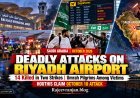
Embassy Attacks: Suspected Iranian drones have targeted the US Embassy in Riyadh and the US Consulate in Dubai.
-
Base Strikes: The Al-Udeid military base in Qatar and sites in Kuwait have reported impacts, resulting in the tragic loss of several US service members.
-
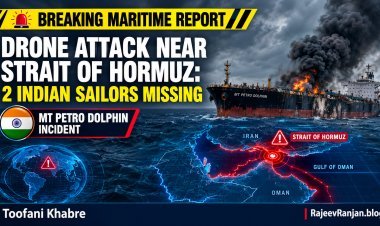
Energy Crisis: Global oil prices have spiked as the Strait of Hormuz becomes a frontline, with President Trump suggesting the US Navy may begin escorting tankers to keep global trade flowing.
4. The "America First" Objective
Secretary of War Pete Hegseth and General Dan Caine emphasized that the mission is "laser-focused." Unlike past "nation-building" efforts, the goals for Epic Fury are strictly defined:
-
Eliminate the Iranian missile threat.
-
Destroy the Iranian Navy's ability to block international waters.
-
Ensure Iran never achieves nuclear weapon capability.
As the conflict enters its second week, the world watches with "great anticipation and hope," according to US officials who are encouraging the Iranian people to seize this moment of regime instability. However, with the death toll rising and the threat of a wider regional war looming, the "Big Wave" promised by the Trump administration suggests the most decisive moments are still ahead.