


1 Crore Indians in Gulf: Why EAM S. Jaishankar is Pushing for Stability in West Asia
EAM S. Jaishankar highlights the stakes for 1 crore Indians in the Gulf. Discover why West Asia’s stability is India’s top priority and what it means for the diaspora.
 Rajeev
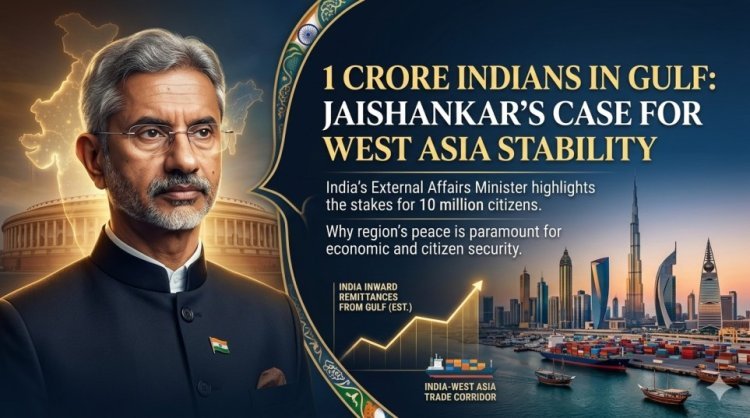

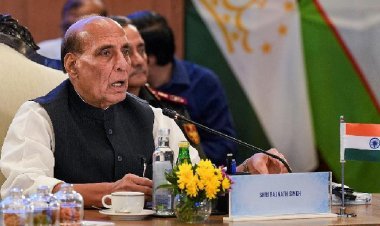
In a powerful statement reflecting India’s deep-rooted interests in the Middle East, External Affairs Minister (EAM) S. Jaishankar recently emphasized a staggering statistic: over one crore (10 million) Indian nationals currently live and work in Gulf nations. As tensions simmer across West Asia, Jaishankar’s message is clear—the stability of this region is not just a diplomatic preference for India; it is a human and economic necessity.
The Backbone of India’s Economy
The Indian diaspora in the Gulf represents one of the largest concentrations of expatriates in the world. From blue-collar workers contributing to massive infrastructure projects to high-tech professionals and entrepreneurs, these individuals are the backbone of India’s inward remittances.
Stability in nations like the UAE, Saudi Arabia, Qatar, and Kuwait ensures that this financial lifeline remains intact, supporting millions of families back home in India.
Why Stability is the "Only Option"
EAM Jaishankar’s advocacy for peace in West Asia stems from three critical pillars:
-
Safety of Citizens: With 10 million lives at stake, any regional escalation puts immense pressure on evacuation logistics and the physical safety of the diaspora.
-
Energy Security: India imports a significant portion of its crude oil and liquid natural gas (LNG) from the Gulf. A volatile West Asia inevitably leads to fluctuating fuel prices at Indian petrol pumps.
-
Trade Corridors: Projects like the India-Middle East-Europe Economic Corridor (IMEC) rely entirely on a peaceful and cooperative regional environment.
India’s Role as a "Vishwa Bandhu"
Under Jaishankar’s leadership, India has maintained a delicate balancing act. By engaging with all major players in the region—from Israel to Iran and the Arab nations—India is positioning itself as a "Vishwa Bandhu" (a friend to the world).
Jaishankar noted that India’s primary concern is ensuring that conflicts do not spill over into the shipping lanes or the economic zones where the Indian workforce is most active.
The Challenges Ahead
While India calls for stability, the path is fraught with challenges. Rising maritime threats in the Red Sea and localized conflicts continue to test the resilience of global supply chains. However, as Jaishankar pointed out, India’s growing influence means its voice is now being heard more clearly in the councils of power across West Asia.
A Shared Future
The fate of the Gulf and the prosperity of India are inextricably linked. As EAM S. Jaishankar continues to champion the cause of the "one crore" Indians abroad, the message to the international community is loud and clear: Peace in West Asia is peace for the world.