



AI in the Stars: Why India’s First Space Data Center is a Global Game-Changer
India is taking AI to orbit! Discover how Agnikul Cosmos and NeevCloud are building India’s first space-based AI data center to revolutionize low-latency computing.
 Rajeev
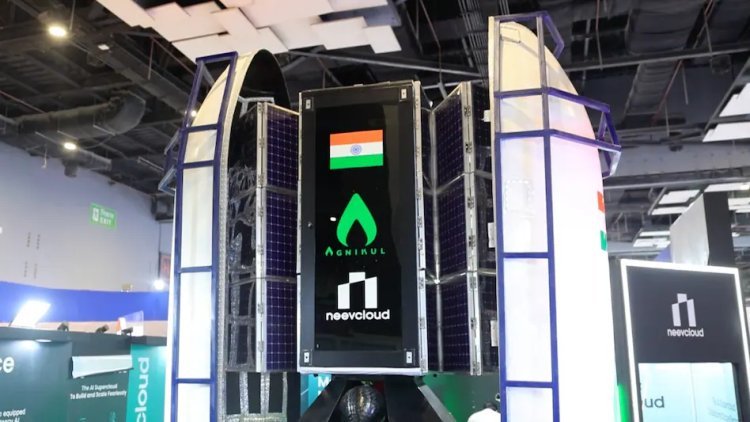

The frontier of Artificial Intelligence is no longer limited to massive, power-hungry warehouses on Earth. In a move that feels like science fiction becoming reality, India has officially entered the race for orbital computing.
Chennai-based space-tech pioneer Agnikul Cosmos and Bengaluru-based AI cloud giant NeevCloud have joined forces to launch India’s first indigenous AI Data Center in Space. This partnership isn't just about prestige; it’s about solving the three biggest problems facing AI today: latency, energy, and sovereignty.
The "Agnibaan" Advantage: Recycling in Orbit
What makes this project unique is how it gets into space. Instead of launching a traditional, expensive satellite, Agnikul is using its patented convertible upper-stage technology from the Agnibaan rocket.
-
Sustainability: Usually, the upper stage of a rocket becomes "space junk" after deploying its payload. Agnikul’s tech allows this stage to remain active and functional.
-
The Hub: This repurposed rocket stage becomes a stable, power-generating platform—a "satellite bus"—that hosts NeevCloud’s high-performance AI chips.
Why Move Data Centers to Space?
You might wonder: Why not just keep servers on the ground? Moving to Low Earth Orbit (LEO) offers three massive technical upgrades:
-
Zero-Cost Cooling: Terrestrial data centers spend billions on water and electricity to keep chips cool. In the vacuum of space, natural cooling is abundant and free.
-
Solar Power 24/7: In orbit, solar panels can harness near-constant sunlight, providing a green, uninterrupted energy source for heavy AI workloads.
-
Ultra-Low Latency: By creating a network of "Orbital Edge" data centers, processing happens closer to where data is generated (like in maritime or defense surveillance), cutting down the time it takes for AI to "think."
ORIOn: The Network of the Future
The project, titled ORIOn (Orbital Real-Time Inferencing Network), aims to deploy a constellation of these AI-enabled nodes.
-
The Pilot: A proof-of-concept launch is targeted for late 2026.
-
The Scale: Following the pilot, the plan is to expand to over 600 orbital data centers by 2030.
This network will act as a "SuperCloud" in the sky, capable of handling 10 million AI requests per day, serving everyone from defense forces at the border to remote villages where ground-based internet is slow.
Sovereignty: India’s Data, India’s Sky
In an era of global data wars, "Sovereign AI" is critical. By hosting AI processing on Indian-owned orbital platforms, India ensures that sensitive data—especially in finance and national security—remains under domestic control, far away from terrestrial geopolitical risks.