


Trump vs. the ‘Lord of Hormuz’: The 48-Hour Ultimatum, $115 Oil, and the Battle for Global Civilization
As Donald Trump’s April 6 deadline passes, the US-Iran war enters a terminal phase. Explore the 15-point peace plan, the Strait of Hormuz blockade, and the NTC-KSRJ naval showdown.
 Rajeev

Trump vs. the ‘Lord of Hormuz’: The 48-Hour Ultimatum and the Battle for Global Civilization
Global Desk: The month of April 2026 has brought the world to the precipice of an era-defining conflict. As the "48-hour ultimatum" issued by President Donald Trump expired on April 6, the Middle East has transformed from a regional flashpoint into a battlefield for the future of global energy and "civilizational security."
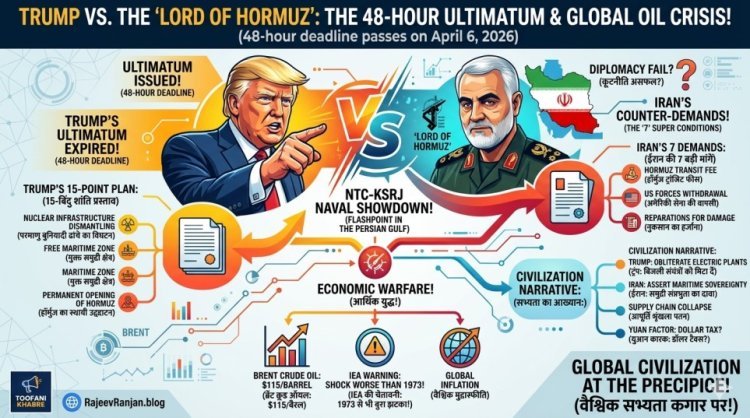
With Brent crude oil oscillating violently near $115 per barrel and the International Energy Agency (IEA) warning of a shock worse than 1973, the standoff in the Strait of Hormuz has become the ultimate test of 21st-century brinkmanship.
The 15-Point Plan vs. The 7 Demands
The diplomatic channel, mediated through Pakistan and Oman, has seen a collision of two irreconcilable visions:
-
Trump’s 15-Point Proposal: Demands the total dismantling of Iran’s nuclear infrastructure, the decommissioning of Fordow and Natanz, and the permanent opening of the Strait of Hormuz as a "Free Maritime Zone."
-
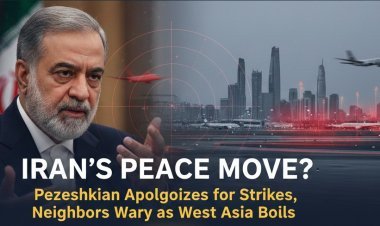
Iran’s ‘Super’ Counter-Demands: Tehran has demanded a "Hormuz Transit Fee" (a tax on all non-hostile vessels), the total withdrawal of US forces from the Persian Gulf, and billions in reparations for infrastructure damage sustained during Operation Epic Fury.
The NTC-KSRJ Sector: A Graveyard of Stealth?
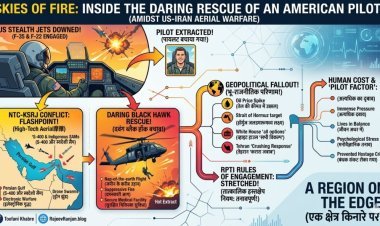
The military focus remains locked on the NTC-KSRJ sector in the Persian Gulf. Following the successful, high-octane rescue of a downed US F-15E pilot, President Trump flexed American military wrath, noting that over 170 aircraft were deployed in a single night of "subterfuge and massive operation."
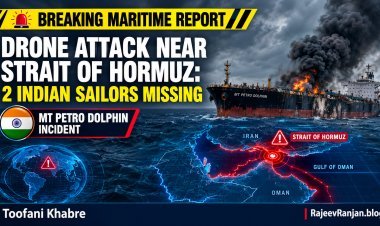
However, Iran’s indigenous air defenses and drone swarms have proven more resilient than predicted. The blockade of the Strait—through which 20% of the world’s oil flows—remains a "de facto" reality, despite US and Israeli strikes on missile manufacturing sites.
Economic Warfare: The $4 Gallon and Global Inflation
For the average viewer in India and the West, the war isn't just about missiles; it's about the pump.
-
Oil Shock: Brent crude has surged 60% since the start of hostilities on February 28.
-
The Yuan Factor: In a bold move to bypass sanctions, Tehran has reportedly begun demanding toll collections in Chinese Yuan for any oil sold through the strait, a direct hit to the "Petrodollar" system.
-
Supply Chain Collapse: The IEA warns that developing nations will suffer the most, with food and energy inflation accelerating at an unprecedented pace.
The Civilization Narrative
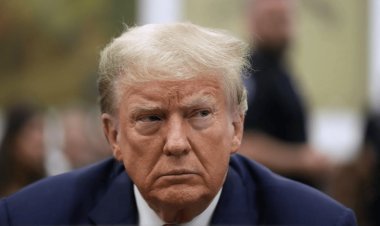
In a primetime address, President Trump framed the conflict as a defense of "civilization" itself, vowing to "obliterate" Iran’s electric-generating plants if the waterway isn't opened.
What Lies Ahead?
As of April 7, 2026, the "two-week" window for a resolution suggested by the White House is closing. If diplomacy fails to bridge the gap between Trump's 15 points and Iran's 7 demands, the world must prepare for a prolonged "war of attrition" that could reshape global alliances for decades.